Buy corradomorricone.eu ?
We are moving the project
corradomorricone.eu .
Are you interested in purchasing the domain
corradomorricone.eu ?
domain@kv-gmbh.de · 0541-91531010
Buy corradomorricone.eu ?
What is the difference between tulle and fine tulle?
Tulle is a lightweight, sheer fabric made of various fibers such as silk, nylon, or rayon. It is commonly used for veils, wedding gowns, and ballet tutus. Fine tulle, on the other hand, refers to a higher quality and finer weave of tulle fabric. Fine tulle is often softer, more delicate, and has a smoother texture compared to regular tulle. It is often used for more delicate and intricate designs in fashion and bridal wear. **
How do you cut tulle?
To cut tulle, first, lay the fabric flat on a clean, flat surface. Use sharp fabric scissors to make a straight cut along the desired length or width of the tulle. It is important to cut tulle slowly and carefully to ensure a clean edge and prevent fraying. Additionally, using a rotary cutter and a cutting mat can also help achieve precise cuts when working with tulle. **

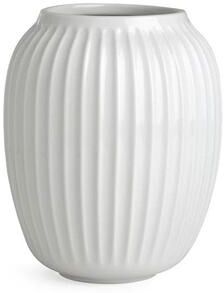
Similar search terms for Kahler-Kähler-Tulle-Vase
Top-Angebote
Products related to Kahler-Kähler-Tulle-Vase:

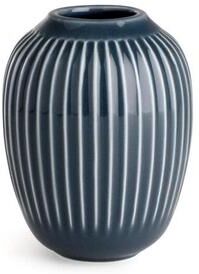
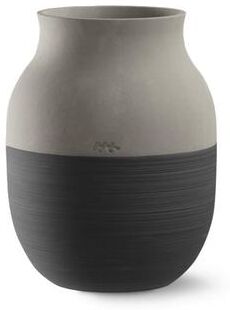
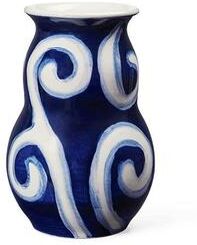
-
Can you get tulle at Real?
Yes, you can get tulle at Real. Real offers a variety of craft and sewing supplies, including tulle fabric in different colors and sizes. Whether you need tulle for a DIY project, costume, or special event, Real is a convenient place to find this material. **
-
How do you iron tulle fabric?
To iron tulle fabric, you should first set your iron to a low heat setting. Then, place a clean, damp cloth over the tulle fabric to protect it from direct heat. Gently press the iron over the damp cloth, being careful not to apply too much pressure or leave the iron in one spot for too long, as tulle is delicate and can easily melt or become misshapen. It's important to use a gentle touch and take your time when ironing tulle to avoid damaging the fabric. **
-
'Vase or glass?'
It depends on the context and purpose. A vase is typically used for holding flowers or decorative branches, while a glass is used for drinking liquids. If the question is about which one to use for a specific purpose, then the answer would depend on whether the intention is to display flowers or to serve a beverage. Both have their own unique functions and can be chosen based on the specific need at hand. **
-
Is the vase broken?
Yes, the vase is broken. It is in pieces and cannot be used in its original form. **

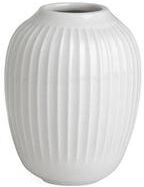
Who made this vase?
This vase was made by an ancient Greek potter and artist. It is an example of Greek pottery from the 5th century BC, known for its intricate designs and skilled craftsmanship. The artist's name is not known, as pottery from this time period was typically not signed or attributed to specific individuals. However, it is likely that the vase was made in a workshop where multiple artists and potters collaborated on creating such pieces. **
Who knows this vase?
The person who knows this vase is likely the owner or someone who has a personal connection to it. It could also be someone who has studied or researched the vase, such as an art historian or a museum curator. Additionally, the artist or creator of the vase would also have knowledge of it. **
Top-Angebote
Products related to Kahler-Kähler-Tulle-Vase:
-
What is the difference between tulle and fine tulle?
Tulle is a lightweight, sheer fabric made of various fibers such as silk, nylon, or rayon. It is commonly used for veils, wedding gowns, and ballet tutus. Fine tulle, on the other hand, refers to a higher quality and finer weave of tulle fabric. Fine tulle is often softer, more delicate, and has a smoother texture compared to regular tulle. It is often used for more delicate and intricate designs in fashion and bridal wear. **
-
How do you cut tulle?
To cut tulle, first, lay the fabric flat on a clean, flat surface. Use sharp fabric scissors to make a straight cut along the desired length or width of the tulle. It is important to cut tulle slowly and carefully to ensure a clean edge and prevent fraying. Additionally, using a rotary cutter and a cutting mat can also help achieve precise cuts when working with tulle. **
-
Can you get tulle at Real?
Yes, you can get tulle at Real. Real offers a variety of craft and sewing supplies, including tulle fabric in different colors and sizes. Whether you need tulle for a DIY project, costume, or special event, Real is a convenient place to find this material. **
-
How do you iron tulle fabric?
To iron tulle fabric, you should first set your iron to a low heat setting. Then, place a clean, damp cloth over the tulle fabric to protect it from direct heat. Gently press the iron over the damp cloth, being careful not to apply too much pressure or leave the iron in one spot for too long, as tulle is delicate and can easily melt or become misshapen. It's important to use a gentle touch and take your time when ironing tulle to avoid damaging the fabric. **
Similar search terms for Kahler-Kähler-Tulle-Vase
-
'Vase or glass?'
It depends on the context and purpose. A vase is typically used for holding flowers or decorative branches, while a glass is used for drinking liquids. If the question is about which one to use for a specific purpose, then the answer would depend on whether the intention is to display flowers or to serve a beverage. Both have their own unique functions and can be chosen based on the specific need at hand. **
-
Is the vase broken?
Yes, the vase is broken. It is in pieces and cannot be used in its original form. **
-
Who made this vase?
This vase was made by an ancient Greek potter and artist. It is an example of Greek pottery from the 5th century BC, known for its intricate designs and skilled craftsmanship. The artist's name is not known, as pottery from this time period was typically not signed or attributed to specific individuals. However, it is likely that the vase was made in a workshop where multiple artists and potters collaborated on creating such pieces. **
-
Who knows this vase?
The person who knows this vase is likely the owner or someone who has a personal connection to it. It could also be someone who has studied or researched the vase, such as an art historian or a museum curator. Additionally, the artist or creator of the vase would also have knowledge of it. **
* All prices are inclusive of VAT and, if applicable, plus shipping costs. The offer information is based on the details provided by the respective shop and is updated through automated processes. Real-time updates do not occur, so deviations can occur in individual cases. ** Note: Parts of this content were created by AI.