Buy corradomorricone.eu ?
We are moving the project
corradomorricone.eu .
Are you interested in purchasing the domain
corradomorricone.eu ?
domain@kv-gmbh.de · 0541-91531010
Buy corradomorricone.eu ?
What is synesthesia?
Synesthesia is a neurological condition in which stimulation of one sensory or cognitive pathway leads to automatic, involuntary experiences in a second sensory or cognitive pathway. This means that someone with synesthesia may experience a blending of their senses, such as seeing colors when they hear music or tasting flavors when they see certain numbers or letters. It is a rare condition, and the specific experiences can vary widely from person to person. **
Do you have synesthesia?
As an AI, I do not have the ability to experience synesthesia. Synesthesia is a neurological condition where stimulation of one sensory pathway leads to automatic, involuntary experiences in a second sensory pathway. It is a unique phenomenon that affects a small percentage of the population. **


Similar search terms for Ozgener-Pi-Synesthesia-Red
Top-Angebote
Products related to Ozgener-Pi-Synesthesia-Red:
-
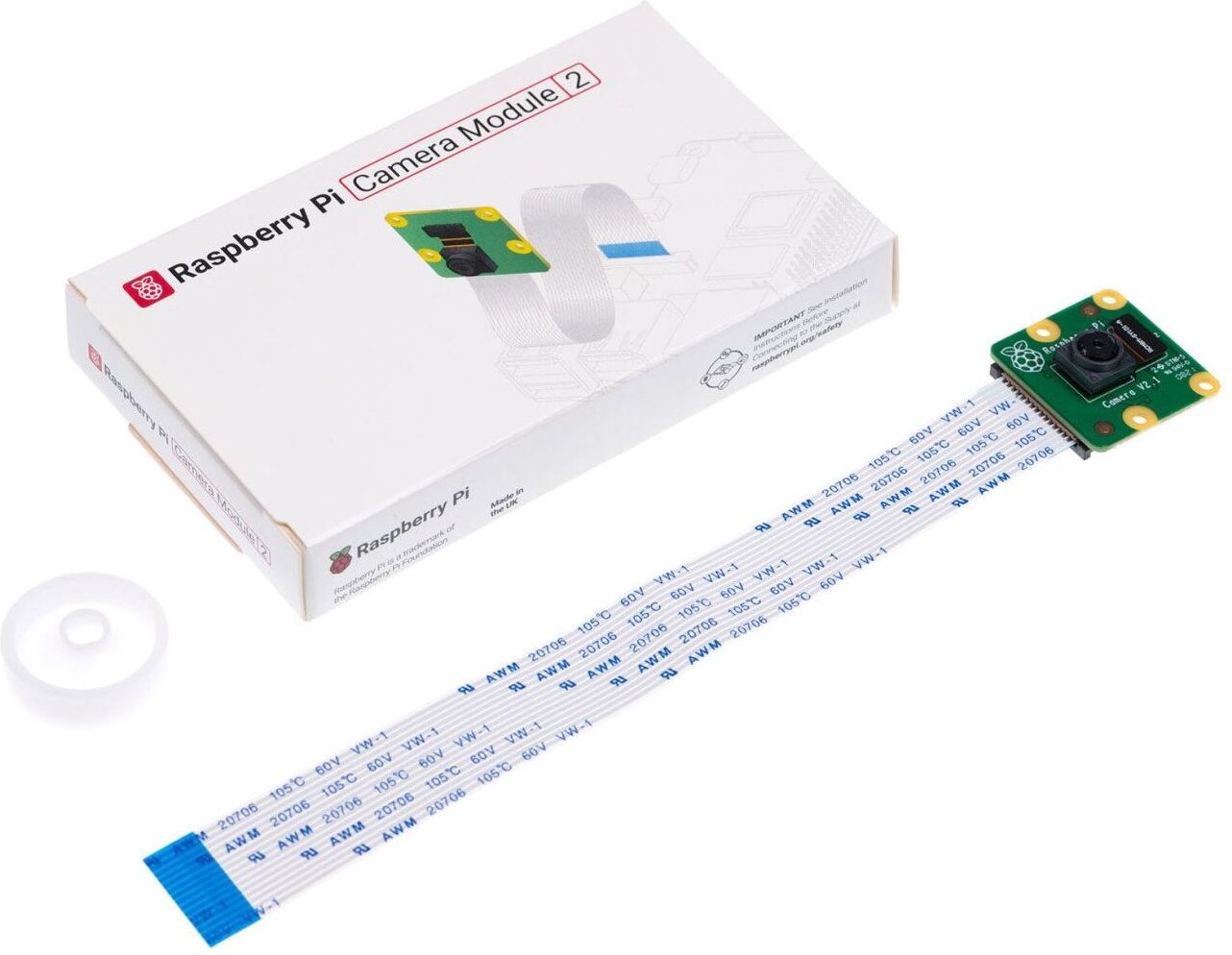
Raspberry Pi - Raspberry Camera Module V2, NewUnlock the full potential of your Raspberry Pi projects with the Raspberry Pi Camera Module V2 . This high-quality, 8-megapixel camera is designed to seamlessly integrate with all Raspberry Pi boards, making it perfect for photography, video recording, time-lapse projects, surveillance systems, and even machine learning applications. Built with the Sony IMX219 image sensor, the Camera Module V2 delivers crystal-clear images and smooth 1080p HD video, bringing professional-level performance to your DIY builds and tech experiments. ✅ 8MP Sony IMX219 Sensor – Capture high-resolution still images and full HD video with exceptional clarity. ✅ 1080p HD Video Recording – Record smooth video at 30fps, or go for 720p at 60fps for slow-motion shots. ✅ Raspberry Pi Compatible – Works with all Raspberry Pi models via the dedicated CSI interface. ✅ Compact & Lightweight Design – Perfect for embedded projects and portable applications. ✅ Infrared-Compatible Version Available – Ideal for night vision and low-light projects (with IR version). ✅ Wide Range of Applications – Great for home security, wildlife monitoring, facial recognition, and more. ✅ Plug-and-Play Setup – Easy connection and quick configuration using Raspberry Pi OS. ✅ Adjustable Focus – Customize image sharpness for your specific project needs. ✅ Broad Software Support – Compatible with Python, OpenCV, and various Pi camera libraries. ✅ Durable PCB Build – Designed for long-term use with reliable performance in DIY and professional environments. The Raspberry Pi Camera Module V2 is a must-have tool for any tech enthusiast, hobbyist, or developer looking to add high-quality imaging capabilities to their Raspberry Pi setup. Whether you're building a robot, home automation system, or video stream solution, this camera module delivers professional results in a tiny, versatile package.11,99 £*Shipping: 0,00 £Secure redirect to the provider


-
Do I have synesthesia?
As an AI, I am unable to diagnose medical conditions. Synesthesia is a neurological condition where stimulation of one sensory pathway leads to automatic, involuntary experiences in a second sensory pathway. If you believe you may have synesthesia, it is best to consult with a medical professional or a neurologist for a proper evaluation and diagnosis. They can conduct tests and assessments to determine if you have synesthesia. **
-
What exactly is synesthesia?
Synesthesia is a neurological condition in which stimulation of one sensory or cognitive pathway leads to automatic, involuntary experiences in a second sensory or cognitive pathway. This means that someone with synesthesia may, for example, see colors when they hear music, or taste flavors when they read words. It is a rare condition, but it can vary widely in its manifestations and intensity from person to person. While it is not considered a disorder, it can have a significant impact on an individual's perception and experience of the world. **
-
Can synesthesia be practiced?
Synesthesia is not something that can be practiced in the traditional sense, as it is a neurological condition that causes the blending of sensory experiences. However, some people may try to enhance their sensory experiences through activities such as meditation, mindfulness, or creative expression. These practices may help individuals to become more attuned to their senses and potentially experience a heightened sensory perception, but they do not necessarily lead to the development of synesthesia. Ultimately, synesthesia is a unique and involuntary neurological phenomenon that cannot be intentionally practiced or developed. **
-
What is synesthesia with weekdays?
Synesthesia with weekdays is a neurological condition in which an individual perceives weekdays as having specific colors, shapes, or other sensory experiences. For example, someone with synesthesia may see Monday as red, Tuesday as blue, Wednesday as green, and so on. This unique perception of weekdays is involuntary and consistent for the individual with synesthesia, and it can greatly impact their daily experiences and associations with time. **


Do I possibly have synesthesia?
It is possible that you have synesthesia if you experience a blending of sensory experiences, such as seeing colors when you hear music or tasting flavors when you see certain shapes. If you consistently and involuntarily experience these types of sensory crossovers, it may be worth discussing with a healthcare professional or a specialist in synesthesia to explore the possibility further. Keep in mind that synesthesia is a rare condition, so it's important to seek a professional evaluation for an accurate diagnosis. **
Is there synesthesia in humans?
Yes, synesthesia is a real phenomenon in humans. It is a neurological condition in which stimulation of one sensory or cognitive pathway leads to automatic, involuntary experiences in a second sensory or cognitive pathway. For example, a person with synesthesia may see colors when they hear music, or taste flavors when they touch certain textures. While it is not very common, it is estimated that about 4% of the population has some form of synesthesia. **
Top-Angebote
Products related to Ozgener-Pi-Synesthesia-Red:
-
Raspberry Pi - Raspberry Camera Module V2, NewUnlock the full potential of your Raspberry Pi projects with the Raspberry Pi Camera Module V2 . This high-quality, 8-megapixel camera is designed to seamlessly integrate with all Raspberry Pi boards, making it perfect for photography, video recording, time-lapse projects, surveillance systems, and even machine learning applications. Built with the Sony IMX219 image sensor, the Camera Module V2 delivers crystal-clear images and smooth 1080p HD video, bringing professional-level performance to your DIY builds and tech experiments. ✅ 8MP Sony IMX219 Sensor – Capture high-resolution still images and full HD video with exceptional clarity. ✅ 1080p HD Video Recording – Record smooth video at 30fps, or go for 720p at 60fps for slow-motion shots. ✅ Raspberry Pi Compatible – Works with all Raspberry Pi models via the dedicated CSI interface. ✅ Compact & Lightweight Design – Perfect for embedded projects and portable applications. ✅ Infrared-Compatible Version Available – Ideal for night vision and low-light projects (with IR version). ✅ Wide Range of Applications – Great for home security, wildlife monitoring, facial recognition, and more. ✅ Plug-and-Play Setup – Easy connection and quick configuration using Raspberry Pi OS. ✅ Adjustable Focus – Customize image sharpness for your specific project needs. ✅ Broad Software Support – Compatible with Python, OpenCV, and various Pi camera libraries. ✅ Durable PCB Build – Designed for long-term use with reliable performance in DIY and professional environments. The Raspberry Pi Camera Module V2 is a must-have tool for any tech enthusiast, hobbyist, or developer looking to add high-quality imaging capabilities to their Raspberry Pi setup. Whether you're building a robot, home automation system, or video stream solution, this camera module delivers professional results in a tiny, versatile package.11,99 £*Shipping: 0,00 £Secure redirect to the provider
-
What is synesthesia?
Synesthesia is a neurological condition in which stimulation of one sensory or cognitive pathway leads to automatic, involuntary experiences in a second sensory or cognitive pathway. This means that someone with synesthesia may experience a blending of their senses, such as seeing colors when they hear music or tasting flavors when they see certain numbers or letters. It is a rare condition, and the specific experiences can vary widely from person to person. **
-
Do you have synesthesia?
As an AI, I do not have the ability to experience synesthesia. Synesthesia is a neurological condition where stimulation of one sensory pathway leads to automatic, involuntary experiences in a second sensory pathway. It is a unique phenomenon that affects a small percentage of the population. **
-
Do I have synesthesia?
As an AI, I am unable to diagnose medical conditions. Synesthesia is a neurological condition where stimulation of one sensory pathway leads to automatic, involuntary experiences in a second sensory pathway. If you believe you may have synesthesia, it is best to consult with a medical professional or a neurologist for a proper evaluation and diagnosis. They can conduct tests and assessments to determine if you have synesthesia. **
-
What exactly is synesthesia?
Synesthesia is a neurological condition in which stimulation of one sensory or cognitive pathway leads to automatic, involuntary experiences in a second sensory or cognitive pathway. This means that someone with synesthesia may, for example, see colors when they hear music, or taste flavors when they read words. It is a rare condition, but it can vary widely in its manifestations and intensity from person to person. While it is not considered a disorder, it can have a significant impact on an individual's perception and experience of the world. **
Similar search terms for Ozgener-Pi-Synesthesia-Red
-
Can synesthesia be practiced?
Synesthesia is not something that can be practiced in the traditional sense, as it is a neurological condition that causes the blending of sensory experiences. However, some people may try to enhance their sensory experiences through activities such as meditation, mindfulness, or creative expression. These practices may help individuals to become more attuned to their senses and potentially experience a heightened sensory perception, but they do not necessarily lead to the development of synesthesia. Ultimately, synesthesia is a unique and involuntary neurological phenomenon that cannot be intentionally practiced or developed. **
-
What is synesthesia with weekdays?
Synesthesia with weekdays is a neurological condition in which an individual perceives weekdays as having specific colors, shapes, or other sensory experiences. For example, someone with synesthesia may see Monday as red, Tuesday as blue, Wednesday as green, and so on. This unique perception of weekdays is involuntary and consistent for the individual with synesthesia, and it can greatly impact their daily experiences and associations with time. **
-
Do I possibly have synesthesia?
It is possible that you have synesthesia if you experience a blending of sensory experiences, such as seeing colors when you hear music or tasting flavors when you see certain shapes. If you consistently and involuntarily experience these types of sensory crossovers, it may be worth discussing with a healthcare professional or a specialist in synesthesia to explore the possibility further. Keep in mind that synesthesia is a rare condition, so it's important to seek a professional evaluation for an accurate diagnosis. **
-
Is there synesthesia in humans?
Yes, synesthesia is a real phenomenon in humans. It is a neurological condition in which stimulation of one sensory or cognitive pathway leads to automatic, involuntary experiences in a second sensory or cognitive pathway. For example, a person with synesthesia may see colors when they hear music, or taste flavors when they touch certain textures. While it is not very common, it is estimated that about 4% of the population has some form of synesthesia. **
* All prices are inclusive of VAT and, if applicable, plus shipping costs. The offer information is based on the details provided by the respective shop and is updated through automated processes. Real-time updates do not occur, so deviations can occur in individual cases. ** Note: Parts of this content were created by AI.