Buy corradomorricone.eu ?
We are moving the project
corradomorricone.eu .
Are you interested in purchasing the domain
corradomorricone.eu ?
domain@kv-gmbh.de · 0541-91531010
Buy corradomorricone.eu ?
What is Dutch vocal polyphony?
Dutch vocal polyphony is a style of music that emerged in the Netherlands during the Renaissance period. It is characterized by the use of multiple independent vocal lines, each with its own melody, rhythm, and text, creating rich harmonies and intricate textures. Dutch composers such as Jan Pieterszoon Sweelinck were known for their contributions to this genre, which was popular in both sacred and secular settings. The use of vocal polyphony allowed for a high level of expressiveness and complexity in the music, making it a significant part of the Dutch musical tradition. **
Can someone explain polyphony to me?
Polyphony is a musical texture that features two or more independent melodic lines played or sung simultaneously. Each line has its own rhythm and contour, and they interact with each other to create a rich and complex sound. Polyphony is often associated with Renaissance and Baroque music, and it requires a high level of skill and coordination from the performers to maintain the independence of the different voices. This texture contrasts with homophony, where all voices move together in harmony, and monophony, where there is only one melodic line. **

Similar search terms for Polyphony
Top-Angebote
Products related to Polyphony:
-
Valenti Framed Intaglio Art - Natural - Musician - Ballard DesignsHistorically, intaglios were carved from hard gemstones to create wax seals. As far back as the Roman Empire, prominent individuals had their own personal intaglios for authenticating documents and letters. Our Valenti Intaglios are beautifully hand...103,20 $*Shipping: 24,95 $Secure redirect to the provider
-
Bronzhaus Country Western Music Musician Guitar Player Jazz Bronze Figurine StatueCondition: This sculpture is in perfect condition Bronze Dimensions with Marble Base: Height 9 inches X Width 9 inches Marble Dimensions:5.5 inches X 4 inches Height without base:7 inches Weight:8 LBS Inventory:25YRD7633652 Original or Reproduction:…272,99 $*Shipping: 0,00 $Secure redirect to the provider
-
Bronzhaus French Bronze Solid Br Figurine Gnome Trumpet Musician Music CollectibleCondition: This sculpture is in a perfect condition Bronze Dimensions with Marble Base: Height 12 inches X Width 5 inches Marble Dimensions:5 inches X 5 inches Height without base:11 inches Weight:8 LBS Inventory:13-Y6333221 Original or Reproduction:…256,99 $*Shipping: 0,00 $Secure redirect to the provider


-
What is the difference between polyphony and homophony?
Polyphony is a musical texture where two or more independent melodic lines are played simultaneously. Each line has its own rhythm and melody, creating a complex and layered sound. Homophony, on the other hand, is a musical texture where all voices or instruments move together in harmony, supporting a single melody. In homophony, there is a clear distinction between the melody and the accompanying parts, creating a more unified and harmonious sound. **
-
Can you explain the history of early polyphony?
Early polyphony emerged in Western music during the medieval period, around the 9th century. It involved the simultaneous singing of two or more independent melodic lines. Initially, early polyphony was primarily found in sacred music, particularly in Gregorian chant. Over time, composers began to experiment with adding additional voices and creating more complex harmonies, leading to the development of intricate polyphonic compositions. This marked a significant shift from the monophonic music of the early Middle Ages and laid the foundation for the rich polyphonic textures of the Renaissance period. **
-
What does polyphony mean in a digital piano?
Polyphony in a digital piano refers to the number of individual notes or voices that the instrument can produce simultaneously. For example, if a digital piano has a polyphony of 64, it means that it can play up to 64 notes at the same time. This is important for more complex pieces of music that require multiple notes to be played at once, as a higher polyphony allows for a richer and more realistic sound. It is especially important for advanced players and composers who need to create intricate and layered compositions. **
-
What is the difference between homophony and polyphony?
Homophony is a musical texture in which a single melody is supported by a harmonic accompaniment, creating a clear distinction between the main melody and the supporting harmonies. Polyphony, on the other hand, is a musical texture in which two or more independent melodies are played or sung simultaneously, creating a more complex and layered sound. In homophony, all voices or instruments move together rhythmically, while in polyphony, each voice or instrument has its own rhythm and melodic independence. Overall, homophony emphasizes harmony and a clear main melody, while polyphony emphasizes the interplay of multiple independent melodies. **


What is the difference between polyphony and canon?
Polyphony refers to a musical texture where two or more independent melodic lines are played simultaneously. Each line has its own rhythm and melody, creating a rich and complex sound. On the other hand, a canon is a specific type of polyphonic composition where a melody is imitated by one or more voices at a fixed time interval. In a canon, the same melody is repeated by different voices, creating a layered and contrapuntal effect. While both polyphony and canon involve multiple independent voices, the key difference lies in the specific imitation of a melody in a canon. **
What is the difference between musical polyphony and counterpoint?
Musical polyphony refers to the simultaneous combination of two or more independent melodic lines, creating a texture where multiple voices are heard at the same time. Counterpoint, on the other hand, is the technique of writing music in which two or more melodic lines are interwoven and interact with each other. In other words, counterpoint is a specific method of creating polyphony, focusing on the relationship and interaction between the different melodic lines. While polyphony is a broader concept that encompasses any music with multiple independent voices, counterpoint specifically refers to the rules and techniques for writing and organizing those voices. **
Top-Angebote
Products related to Polyphony:
-
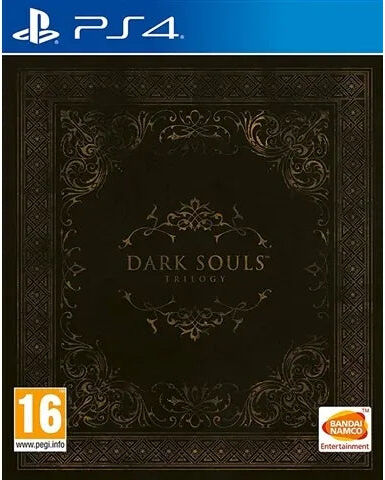
Dark Souls Trilogy (No Soundtrack) PS4, Used - Good.gadcet-pdp{--g-green:#00a651;color:#1f2430;line-height:1.55;font-size:inherit;max-width:760px}.gadcet-pdp>*:first-child{margin-top:0}.gadcet-pdp p{margin:0 0.9em}.gadcet-pdp h3{font-size:1.05em;font-weight:600;color:#11161f;margin:1.4em 0.5em;padding-left:.5em;border-left:3px solid var(--g-green);border-radius:0;line-height:1.3}.gadcet-pdp ul{list-style:none!important;margin:0 0.9em;padding:0!important}.gadcet-pdp ul li{position:relative;padding:.1em 0.1em 1.5em;margin:0}.gadcet-pdp ul li::before{content:"";position:absolute;left:.16em;top:.45em;width:.36em;height:.66em;border:solid var(--g-green);border-width:0.14em.14em 0;transform:rotate(45deg)}.gadcet-pdp table{width:100%;border-collapse:collapse;margin:.3em 0 1em;font-size:.95em;border:1px solid #e7e9ee!important;border-radius:8px;overflow:hidden}.gadcet-pdp table td{padding:.5em.8em;border-bottom:1px solid #eef0f4!important;vertical-align:top}.gadcet-pdp table tr:last-child td{border-bottom:0!important}.gadcet-pdp table tr:nth-child(even){background:#f7f9f8}.gadcet-pdp table td:first-child{font-weight:600;color:#454c59;width:40%}@media (max-width:600px){.gadcet-pdp table td:first-child{width:42%}} Take on three demanding fantasy action RPG adventures with Dark Souls Trilogy for PlayStation 4. Explore haunting worlds, master tactical combat and face formidable bosses across the complete trilogy. Key Features Includes Dark Souls Remastered, Dark Souls II: Scholar of the First Sin and Dark Souls III: The Fire Fades Edition Strategic real-time combat using weapons, shields, magic and abilities Deep character progression with customisable attributes, equipment and playstyles Interconnected fantasy worlds filled with castles, dungeons, ruins and hidden secrets Online co-operative and competitive multiplayer features New Game Plus modes and multiple character builds for added replay value Games-only edition with no official soundtrack included Benefits Enjoy the full Dark Souls journey in one PS4 collection Rewarding exploration and challenging battles for action RPG fans Choose between New and Used - Good condition options Specifications Platform PlayStation 4 Genre Fantasy action RPG Format Physical game Included games Dark Souls Remastered; Dark Souls II: Scholar of the First Sin; Dark Souls III: The Fire Fades Edition Soundtrack Not included Available conditions New or Used - Good What You'll Receive Dark Souls Trilogy for PlayStation 4 in your selected condition. This is the games-only edition and does not include the official soundtrack. Ideal For Ideal for PlayStation players who enjoy demanding combat, atmospheric fantasy worlds, character progression and exploration-driven action RPGs.42,99 £*Shipping: 0,00 £Secure redirect to the provider
-
RCR Crystal - Orchestra Glassware Set Clear 290mlAdd stunning Italian style and sophistication to your home bar or restaurant with this 24 24-piece orchestra Glassware Set from RCR Crystal. Since 1967 RCR Crystal has dedicated itself to the pursuit of cutting-edge, high-performance glassware, all produced from the company's headquarters in the heart of Tuscany. The Orchestra range stands as a testament to the brand's philosophy and heritage, with a beautiful cut glass decoration that lends a vintage, art deco-inspired aesthetic to any dining table. Each piece in this collection has been crafted from RCR's special Luxion® glass - an eco-friendly material that boasts exceptional clarity and shine, high resistance to shock and impact, and perfect acoustics. Luxion® has also been tested for over 4,000 washes in professional dishwashers without even a hint of clouding, so you can be confident that these glasses will stand as a sparkling centerpiece in your glassware collection for years to come! This set comprises 6 Wine Glasses, 6 Champagne Flutes, 6 Highball Glasses, and 6 Whiskey Glasses - your complete drinking glassware collection! RCR91,99 £*Shipping: 0,00 £Secure redirect to the provider
-
Valenti Framed Intaglio Art - Natural - Musician - Ballard DesignsHistorically, intaglios were carved from hard gemstones to create wax seals. As far back as the Roman Empire, prominent individuals had their own personal intaglios for authenticating documents and letters. Our Valenti Intaglios are beautifully hand...103,20 $*Shipping: 24,95 $Secure redirect to the provider
-
What is Dutch vocal polyphony?
Dutch vocal polyphony is a style of music that emerged in the Netherlands during the Renaissance period. It is characterized by the use of multiple independent vocal lines, each with its own melody, rhythm, and text, creating rich harmonies and intricate textures. Dutch composers such as Jan Pieterszoon Sweelinck were known for their contributions to this genre, which was popular in both sacred and secular settings. The use of vocal polyphony allowed for a high level of expressiveness and complexity in the music, making it a significant part of the Dutch musical tradition. **
-
Can someone explain polyphony to me?
Polyphony is a musical texture that features two or more independent melodic lines played or sung simultaneously. Each line has its own rhythm and contour, and they interact with each other to create a rich and complex sound. Polyphony is often associated with Renaissance and Baroque music, and it requires a high level of skill and coordination from the performers to maintain the independence of the different voices. This texture contrasts with homophony, where all voices move together in harmony, and monophony, where there is only one melodic line. **
-
What is the difference between polyphony and homophony?
Polyphony is a musical texture where two or more independent melodic lines are played simultaneously. Each line has its own rhythm and melody, creating a complex and layered sound. Homophony, on the other hand, is a musical texture where all voices or instruments move together in harmony, supporting a single melody. In homophony, there is a clear distinction between the melody and the accompanying parts, creating a more unified and harmonious sound. **
-
Can you explain the history of early polyphony?
Early polyphony emerged in Western music during the medieval period, around the 9th century. It involved the simultaneous singing of two or more independent melodic lines. Initially, early polyphony was primarily found in sacred music, particularly in Gregorian chant. Over time, composers began to experiment with adding additional voices and creating more complex harmonies, leading to the development of intricate polyphonic compositions. This marked a significant shift from the monophonic music of the early Middle Ages and laid the foundation for the rich polyphonic textures of the Renaissance period. **
Similar search terms for Polyphony
-
Bronzhaus Country Western Music Musician Guitar Player Jazz Bronze Figurine StatueCondition: This sculpture is in perfect condition Bronze Dimensions with Marble Base: Height 9 inches X Width 9 inches Marble Dimensions:5.5 inches X 4 inches Height without base:7 inches Weight:8 LBS Inventory:25YRD7633652 Original or Reproduction:…272,99 $*Shipping: 0,00 $Secure redirect to the provider
-
Bronzhaus French Bronze Solid Br Figurine Gnome Trumpet Musician Music CollectibleCondition: This sculpture is in a perfect condition Bronze Dimensions with Marble Base: Height 12 inches X Width 5 inches Marble Dimensions:5 inches X 5 inches Height without base:11 inches Weight:8 LBS Inventory:13-Y6333221 Original or Reproduction:…256,99 $*Shipping: 0,00 $Secure redirect to the provider
-
Bronzhaus Clarinet Player Bronze Sculpture – Jazz Musician Figurine On Marble BaseCondition: This sculpture is in a perfect condition Bronze Dimensions with Marble Base: Height 13 inches X Width 6 inches Marble Dimensions:6 inches X 6 inches Height without base:12 inches Weight:7 LBS Inventory:29GTS0315492 Original or Reproduction:…289,49 $*Shipping: 0,00 $Secure redirect to the provider
-
Uplift Essentials Magnetic Tea Grey Food Film Dispenser & Precision Cling Film Cutter Magnetic Tea Grey Food Film Dispenser & Precision Cling Film CutterUpgrade your meal preservation setup and eliminate the daily hassle of tangled rolls and jagged edges with a premium kitchen necessity. This sophisticated tea grey PET cling film cutter combines structural durability with an elegant, modern...59,97 $*Shipping: 0,00 $Secure redirect to the provider
-
What does polyphony mean in a digital piano?
Polyphony in a digital piano refers to the number of individual notes or voices that the instrument can produce simultaneously. For example, if a digital piano has a polyphony of 64, it means that it can play up to 64 notes at the same time. This is important for more complex pieces of music that require multiple notes to be played at once, as a higher polyphony allows for a richer and more realistic sound. It is especially important for advanced players and composers who need to create intricate and layered compositions. **
-
What is the difference between homophony and polyphony?
Homophony is a musical texture in which a single melody is supported by a harmonic accompaniment, creating a clear distinction between the main melody and the supporting harmonies. Polyphony, on the other hand, is a musical texture in which two or more independent melodies are played or sung simultaneously, creating a more complex and layered sound. In homophony, all voices or instruments move together rhythmically, while in polyphony, each voice or instrument has its own rhythm and melodic independence. Overall, homophony emphasizes harmony and a clear main melody, while polyphony emphasizes the interplay of multiple independent melodies. **
-
What is the difference between polyphony and canon?
Polyphony refers to a musical texture where two or more independent melodic lines are played simultaneously. Each line has its own rhythm and melody, creating a rich and complex sound. On the other hand, a canon is a specific type of polyphonic composition where a melody is imitated by one or more voices at a fixed time interval. In a canon, the same melody is repeated by different voices, creating a layered and contrapuntal effect. While both polyphony and canon involve multiple independent voices, the key difference lies in the specific imitation of a melody in a canon. **
-
What is the difference between musical polyphony and counterpoint?
Musical polyphony refers to the simultaneous combination of two or more independent melodic lines, creating a texture where multiple voices are heard at the same time. Counterpoint, on the other hand, is the technique of writing music in which two or more melodic lines are interwoven and interact with each other. In other words, counterpoint is a specific method of creating polyphony, focusing on the relationship and interaction between the different melodic lines. While polyphony is a broader concept that encompasses any music with multiple independent voices, counterpoint specifically refers to the rules and techniques for writing and organizing those voices. **
* All prices are inclusive of VAT and, if applicable, plus shipping costs. The offer information is based on the details provided by the respective shop and is updated through automated processes. Real-time updates do not occur, so deviations can occur in individual cases. ** Note: Parts of this content were created by AI.